The Evolution and Future Blueprint of iPhone Cases

In the vibrant world of smartphones, the iPhone undoubtedly holds a pivotal position. And the phone cases that go hand in hand with iPhones have also undergone a remarkable development journey. From being mere protective tools initially, they have gradually evolved into fashionable accessories that combine practicality, aesthetics, and individuality. Even more promisingly, they are expected to integrate more cutting-edge technologies in the future, opening up a brand-new chapter.
Looking back at the origin of phone cases
they first made a low-key appearance as anti-drop protectors for mobile phones. During the feature phone era, they did not attract much attention. At that time, feature phones represented by Nokia were famous for their sturdiness and resistance to drops—”as tough as a brick”—so people had no urgent need for phone cases. However, 2010 marked a watershed in the mobile phone market. The rise of smartphones such as the iPhone and Android devices completely changed this situation. After the launch of the iPhone 4, the signal issue sparked widespread discussion. The solution proposed by Steve Jobs—using a protective case—quietly drove the transformation of the phone case market. Meanwhile, although the new touch interaction method brought an unprecedented operating experience, it also significantly increased the risk of screen breakage and scratches. Compared with the screen repair cost that could easily reach hundreds or even thousands of yuan, a phone case costing only dozens of yuan was obviously much more economical. Although users were initially reluctant to accept phone cases due to the impact on hand feel, the high maintenance cost eventually made people gradually embrace them, laying a solid foundation for the market. As early as 2013, 49% of iPhone users already owned more than one phone case, and various types of phone cases began to become important carriers for showcasing the differentiation of phone appearances and users’ personalities.
In terms of materials
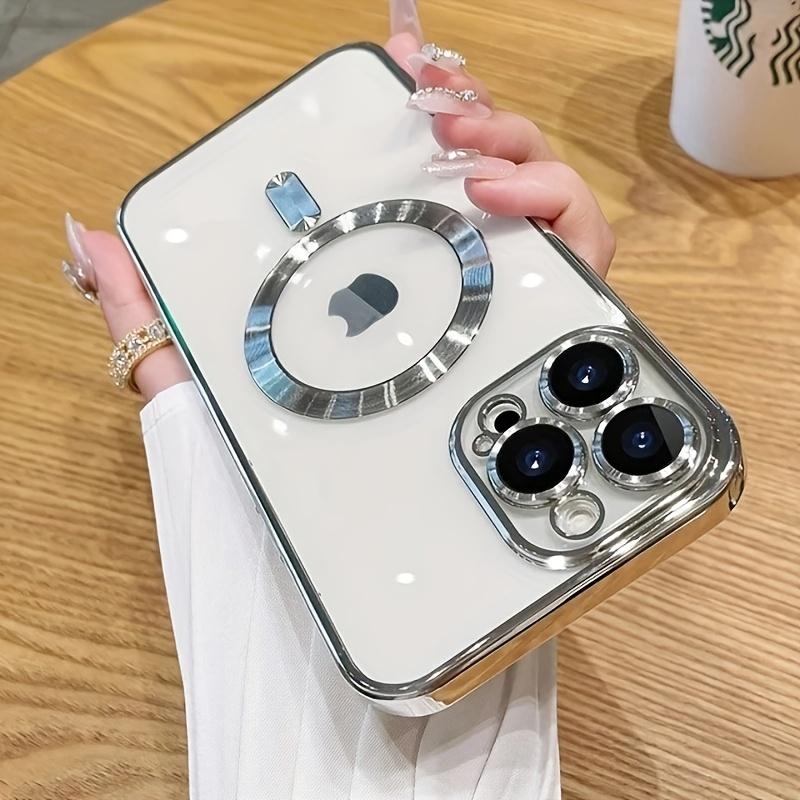
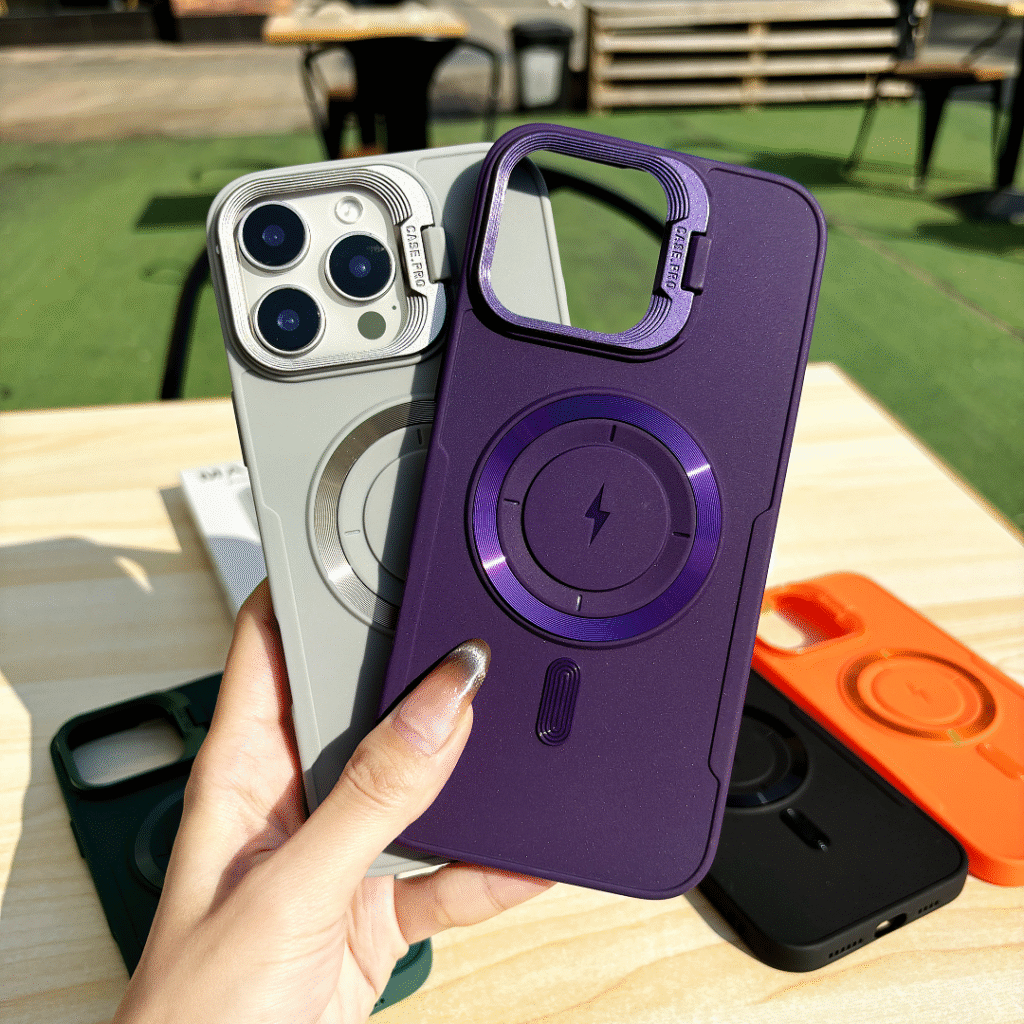
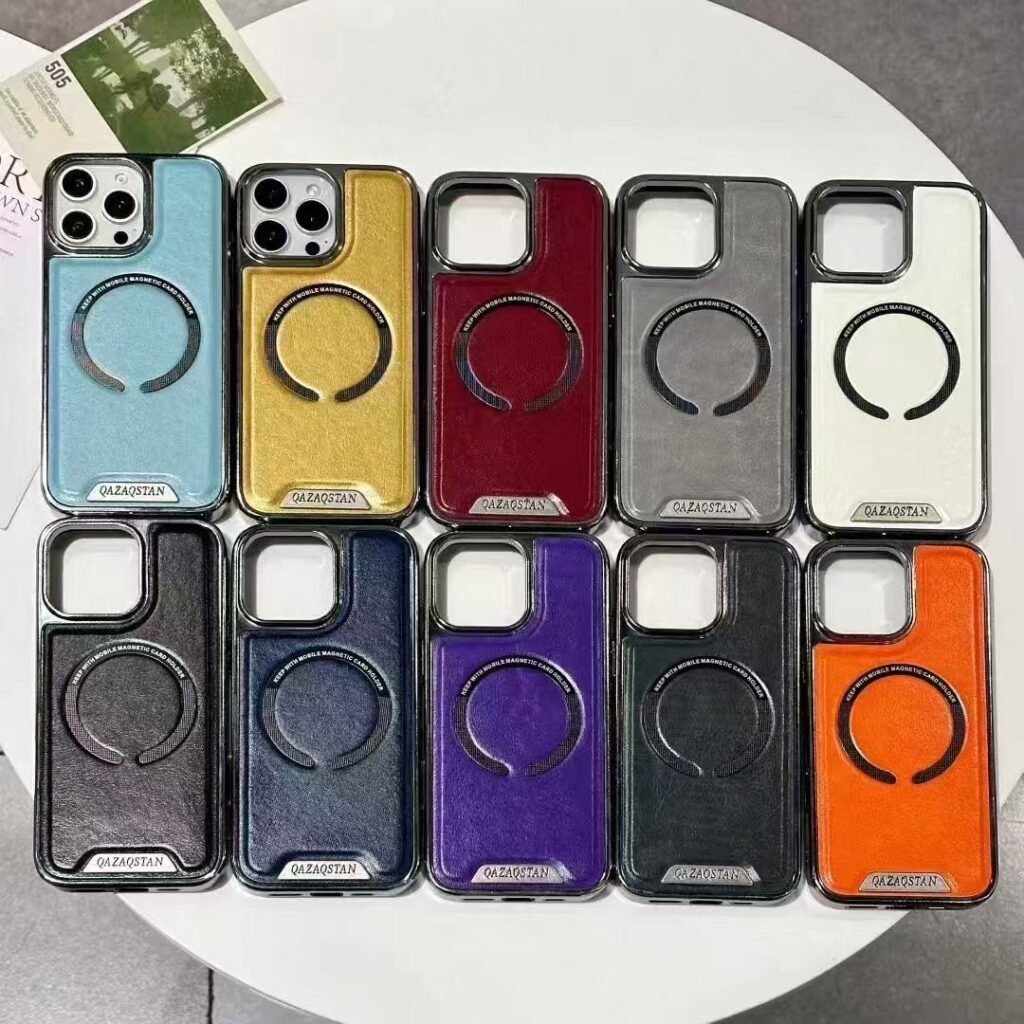
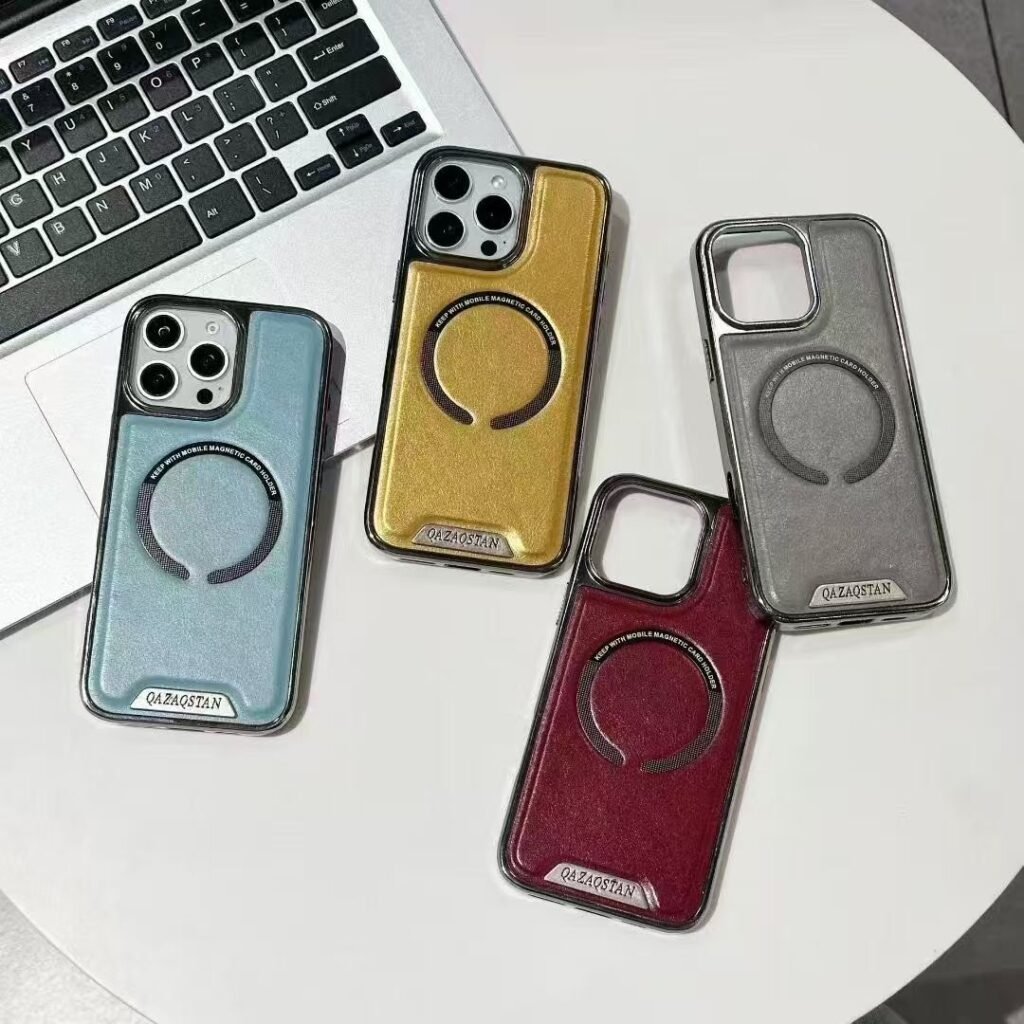
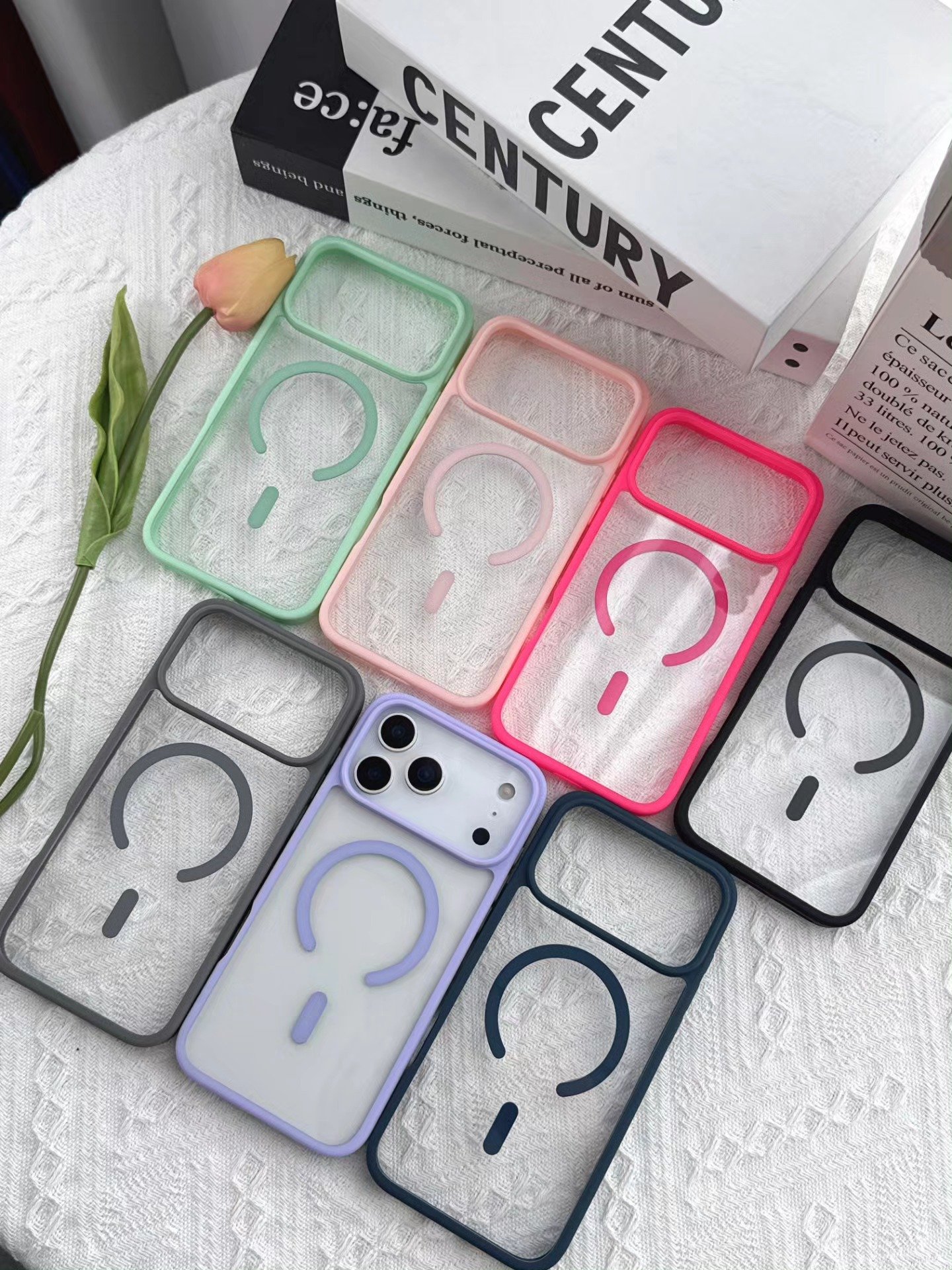
In terms of materials, the development of phone cases has been diverse. In the early days, plastic and silicone were the main materials. They were affordable and flexible, capable of providing basic drop and scratch protection. With the advancement of technology and the upgrading of consumer demands, leather cases gained favor among some users for their texture and business style; crystal cases and clear cases, with their transparent or semi-transparent properties, could showcase the original color of the phone while protecting it; metal cases offered stronger protection and a unique metallic texture; there were also carbon fiber cases that combined light weight and high strength. In recent years, Apple has continuously explored material innovation. For example, the launched FineWoven cases, which were intended to replace leather, were criticized for issues such as easy wear and color fading, but they still reflected the pursuit of environmental protection and sustainable development. Today, brand-new synthetic fiber phone cases have been launched. While meeting the concept of environmental protection, the high-tech fabric texture on the surface provides a rubber-like anti-slip feel. Both scratch resistance and sustainability have been significantly improved, and the lanyard loop function has been reintroduced, greatly enhancing practicality.
In terms of design
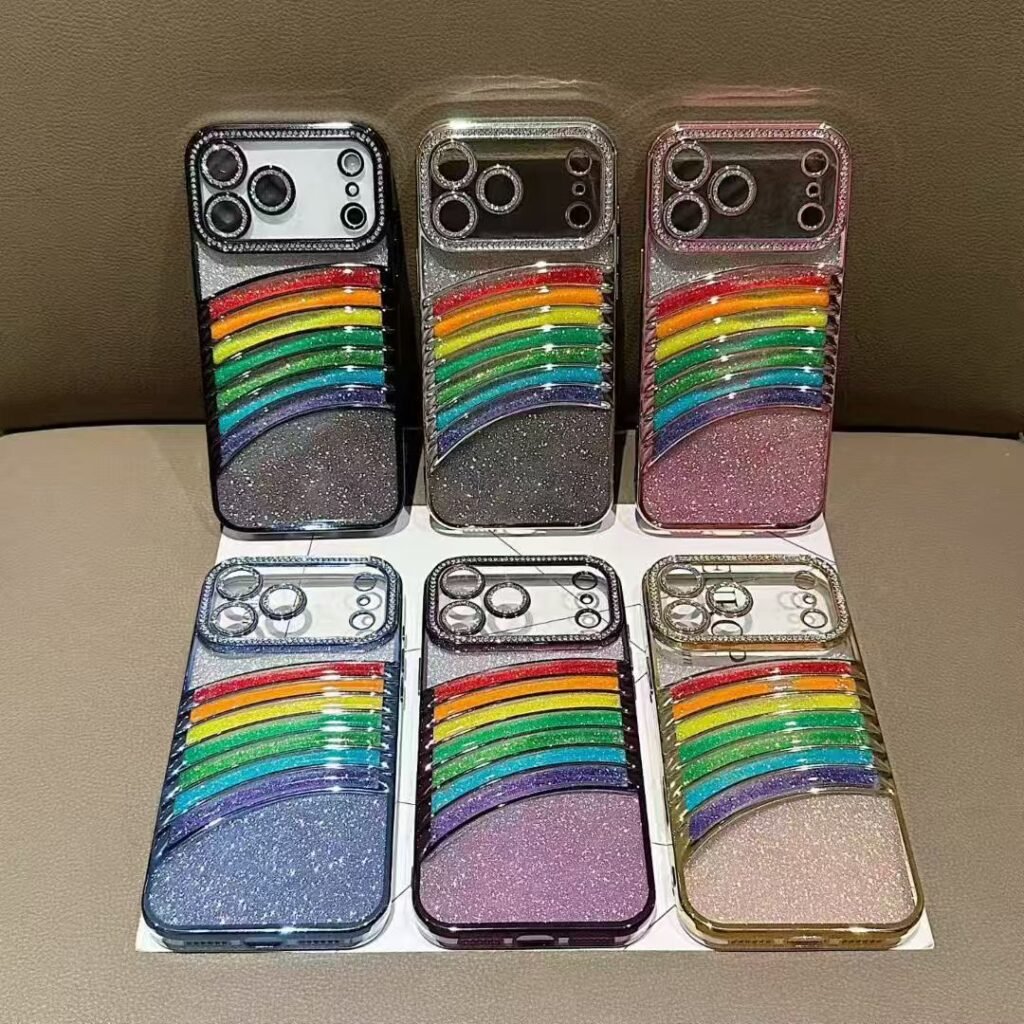
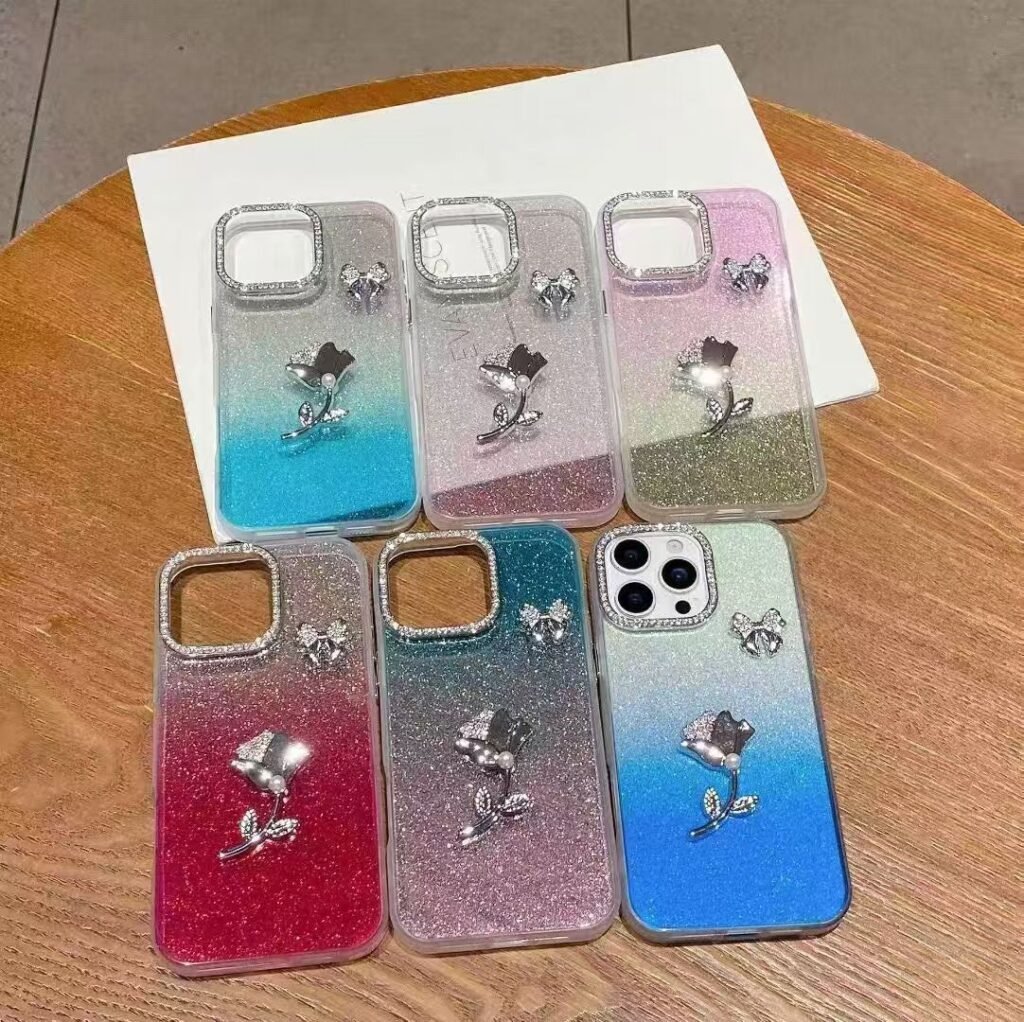
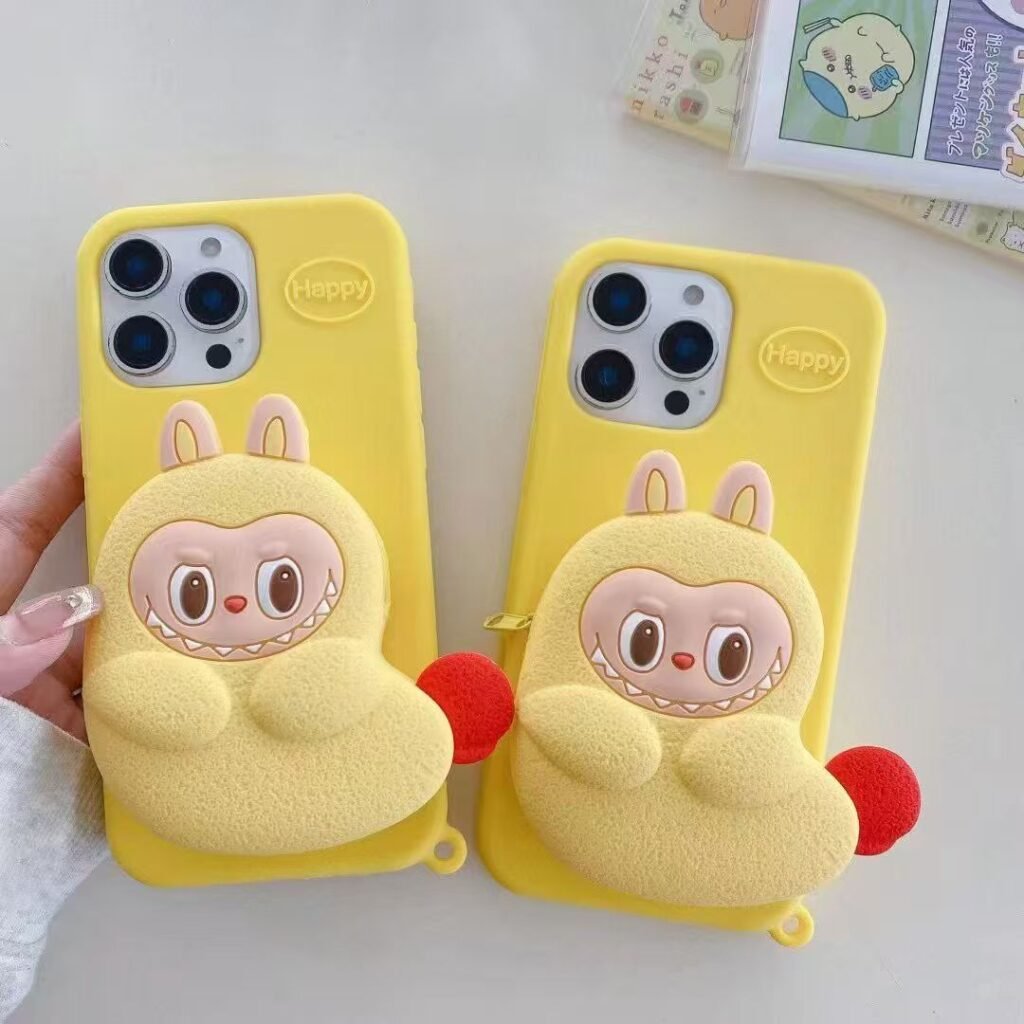
In terms of design, phone cases have evolved from simple solid colors and minimalist patterns in the early days to a wide range of designs today, covering various trendy elements, anime IP collaborations, and artistic creations. Consumers can choose phone cases that match their personalities based on their preferences, moods, and dressing styles. For instance, fans who love Marvel can find phone cases printed with superhero patterns; users who pursue a literary and fresh style can also discover designs with poetic illustrations or simple lines. Even some brands offer customization services, allowing users to upload their own photos or paintings to create unique personalized phone cases.
Looking forward to the future
Looking forward to the future, iPhone cases are expected to make breakthroughs in multiple dimensions. Intelligence will be a major important trend. Perhaps future phone cases will integrate health monitoring modules to track users’ health data such as heart rate, blood pressure, and sleep in real time; they may also have built-in wireless charging enhancement devices to make phone charging faster and more convenient; they might even have intelligent positioning functions to prevent phone loss. In terms of environmental protection, as environmental regulations become increasingly strict, phone cases made of degradable and recyclable materials will become mainstream. The application of new environmentally friendly materials such as bio-based polycarbonate will become more widespread, which can not only effectively reduce environmental pollution but also meet consumers’ demand for green products. Personalized customization will also be further deepened. With the popularization of 3D printing technology, users may easily customize phone cases that meet their unique needs and creativity in stores or at home, with complete freedom in terms of shape, material, and pattern.
It can be predicted that iPhone cases will continue to evolve in the future. They will no longer be just outer shells for protecting phones, but will become cutting-edge accessories that integrate technology, fashion, and individuality, bringing more convenience and surprises to users’ lives and writing a new chapter in the ever-changing market.